Category: Guides & Strategy

The Geometry of Blocking: Turning an Offensive Game Into a Defensive Lockdown
Executive Summary Most casual word-game players view the grid through a purely offensive lens, constantly scanning for the next wide-open space to plant a high-scoring word. However, when you face elite competition, an aggressive mindset can quickly lead to your downfall. In modern digital matches where opponents use advanced tools like wordmaster.pro, open spaces are…

Tile Churn: When to Dump Your Rack and Take the Turn Loss
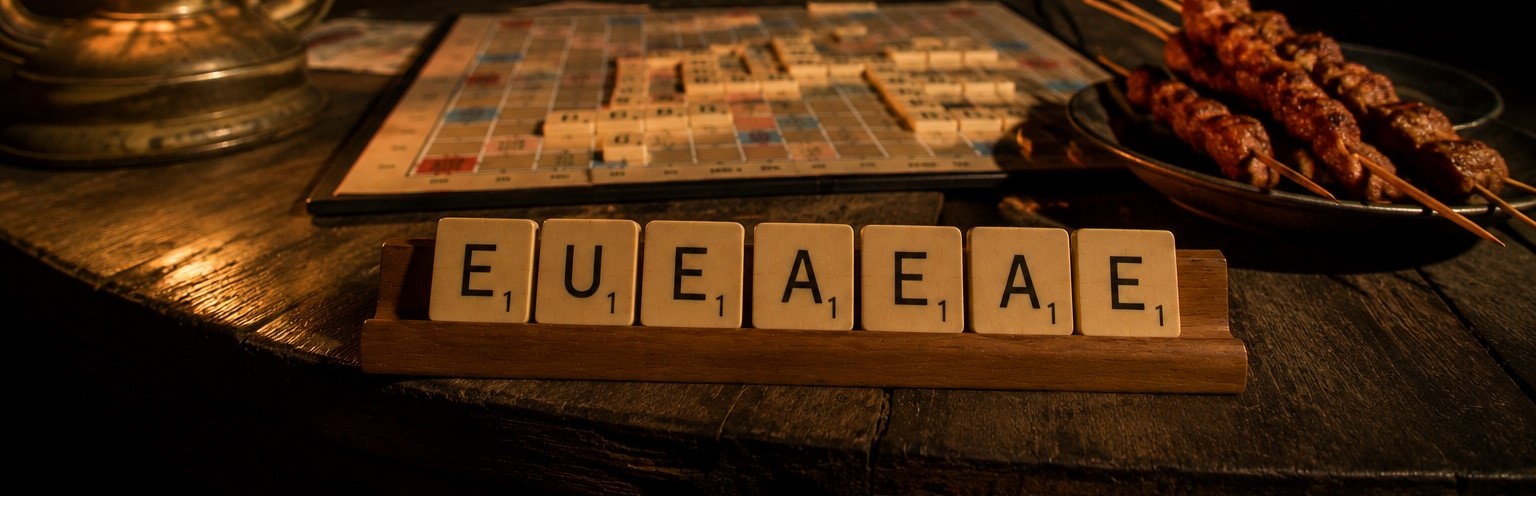
Executive Summary The hardest pill to swallow in competitive word games is accepting a zero-point turn. When dealt an unplayable hand of clunky consonants or duplicate vowels, a beginner’s instinct is to force a low-scoring 4-point word just to keep the scoreboard moving. However, elite tacticians understand that a choked rack acts like a clogged…

Parallel Plays: The Secret to High Scores on a Tight Board
Executive Summary When a word game board becomes heavily congested, novice players panic. They see an overlapping grid of blocked paths and assume their scoring potential has dropped to zero. However, elite tacticians view a tight board as an absolute goldmine for a technique known as the parallel play. By placing an entire word directly…

The Psychology of the Blank Tile: Why Nobody Wants to Use It
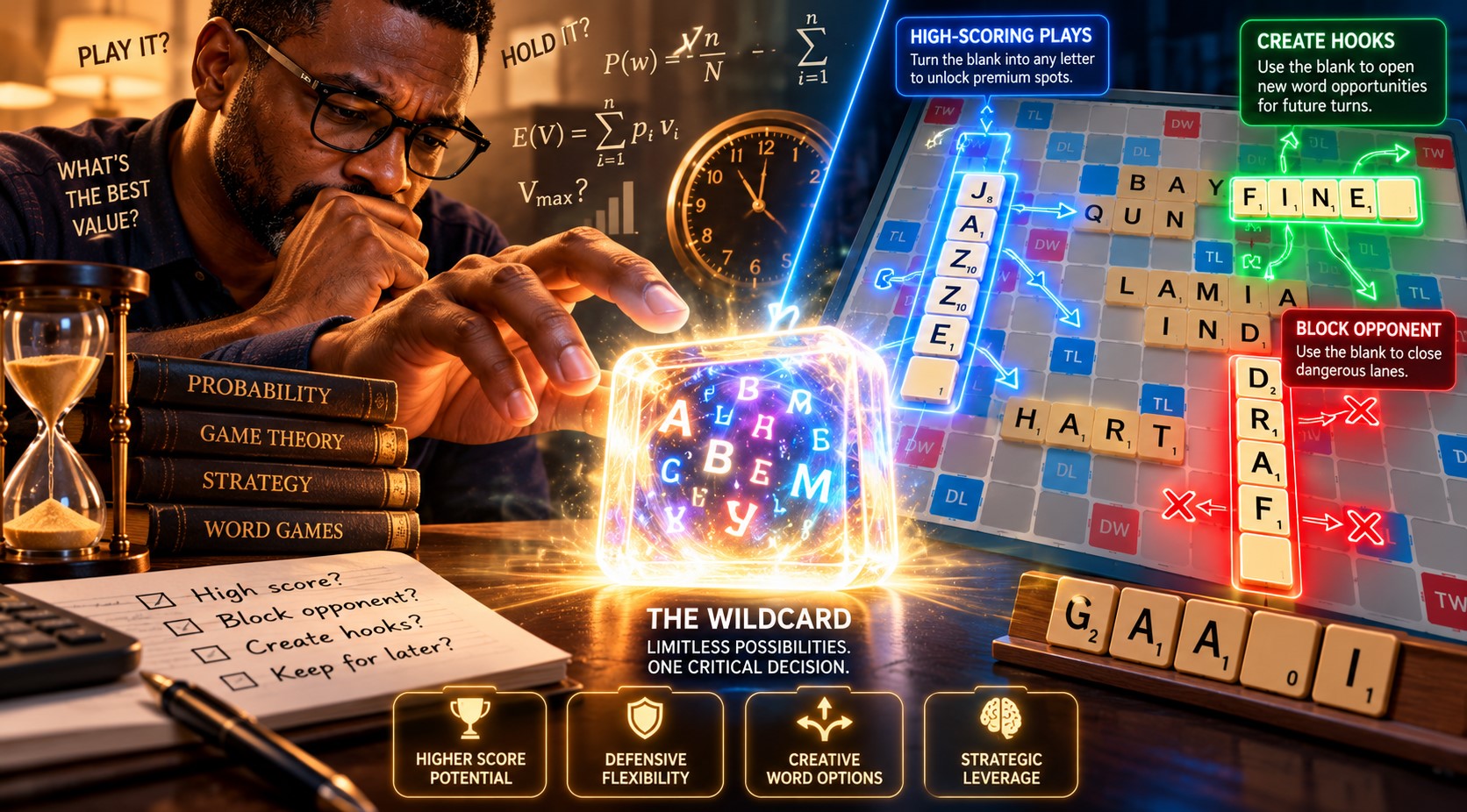
Executive Summary The blank tile is universally recognized as the most powerful piece in any word game, capable of transforming a dead-end rack into a high-scoring masterpiece. Yet, despite its unmatched utility, it triggers a profound psychological paradox: players tend to hoard it far too long, dragging down their point-per-turn efficiency. In digital spaces where…

That Beautiful 70-Point Move Might Be Why You Lost
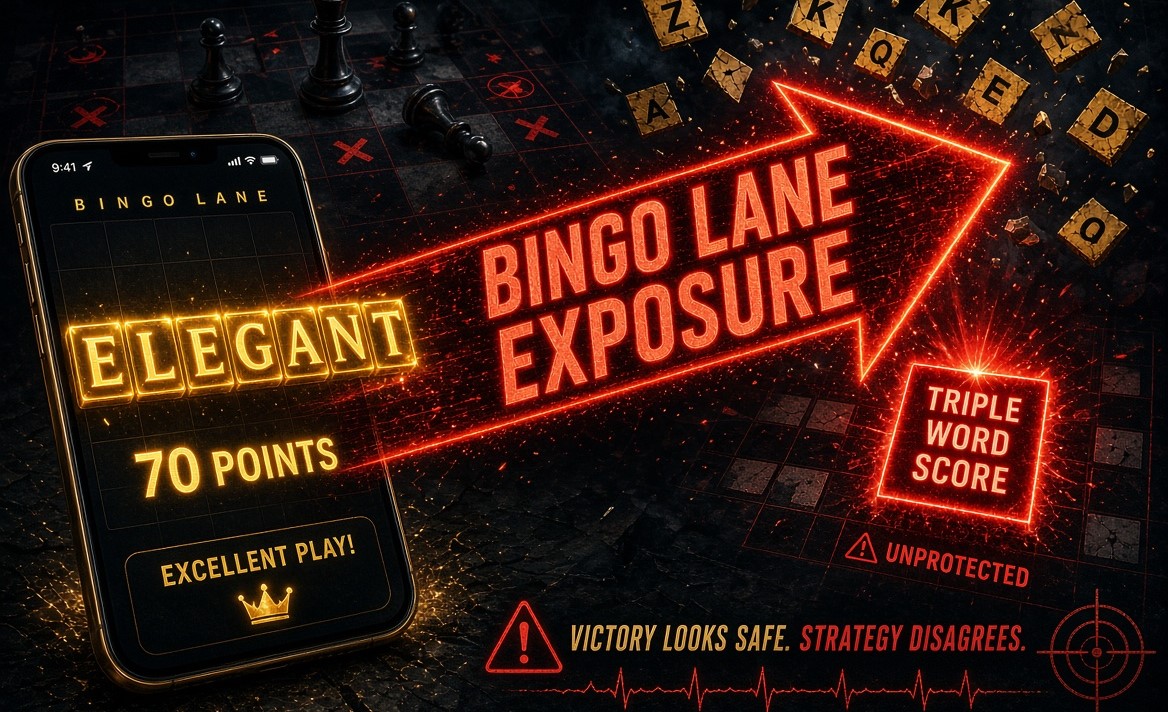
Executive Summary The ultimate dopamine hit in any word game is executing a high-scoring, flashy play that sends your point total soaring. However, unseasoned players fail to realize that a massive 70-point move can frequently act as a Trojan horse. In digital environments where opponents possess symmetrical access to tools like wordmaster.pro, the value of…

7 Things Good Word-Game Players Notice That Beginners Don’t
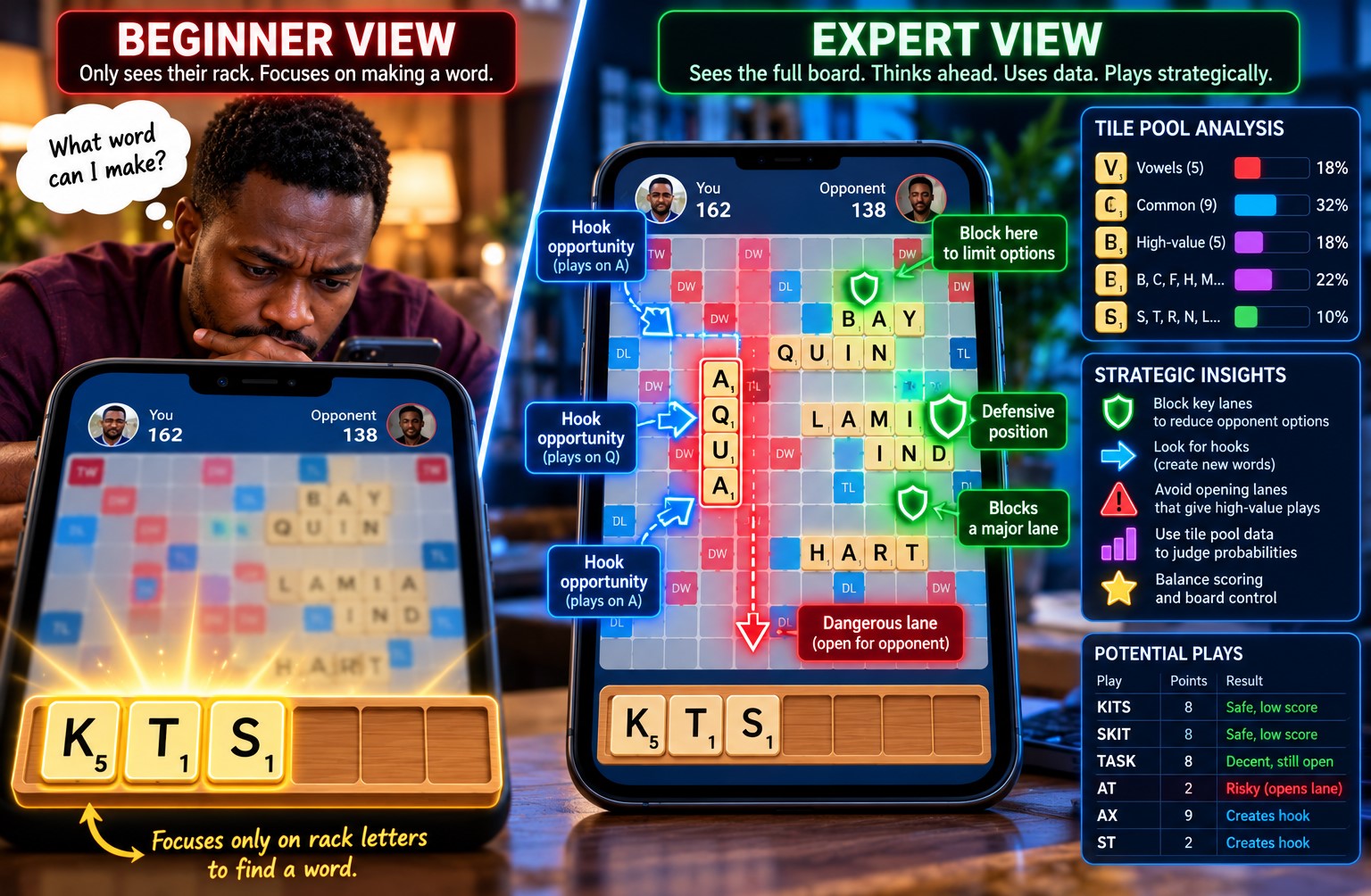
Executive Summary To a beginner, a word game looks like a simple exercise in spelling the longest word possible from a random hand of letters. To an expert, the exact same board looks like a dynamic network of geometric vectors, tile mathematics, and psychological traps. While novices waste their time looking down at their racks,…

The Word Game Player Who Knows 50,000 Words vs. The Player Who Thinks Five Moves Ahead
Executive Summary In the world of word games, a classic rivalry exists between the linguistic purist and the tactical strategist. Traditional game design heavily favors the former—the player who has memorized a 50,000-word lexicon. However, when digital matches move online and external unscramblers like wordmaster.pro level the vocabulary playing field, this dynamic is completely inverted.…

Are Word Unscramblers Cheating—or Are We Thinking About Word Games Wrong?
Executive Summary The debate over whether external word finders constitute cheating is the most polarizing conversation in modern word gaming. While traditionalists argue that tools like wordmaster.pro destroy the integrity of vocabulary recall, this perspective misses a massive cultural and technological shift. With millions of players now competing globally across digital screens, the old social…

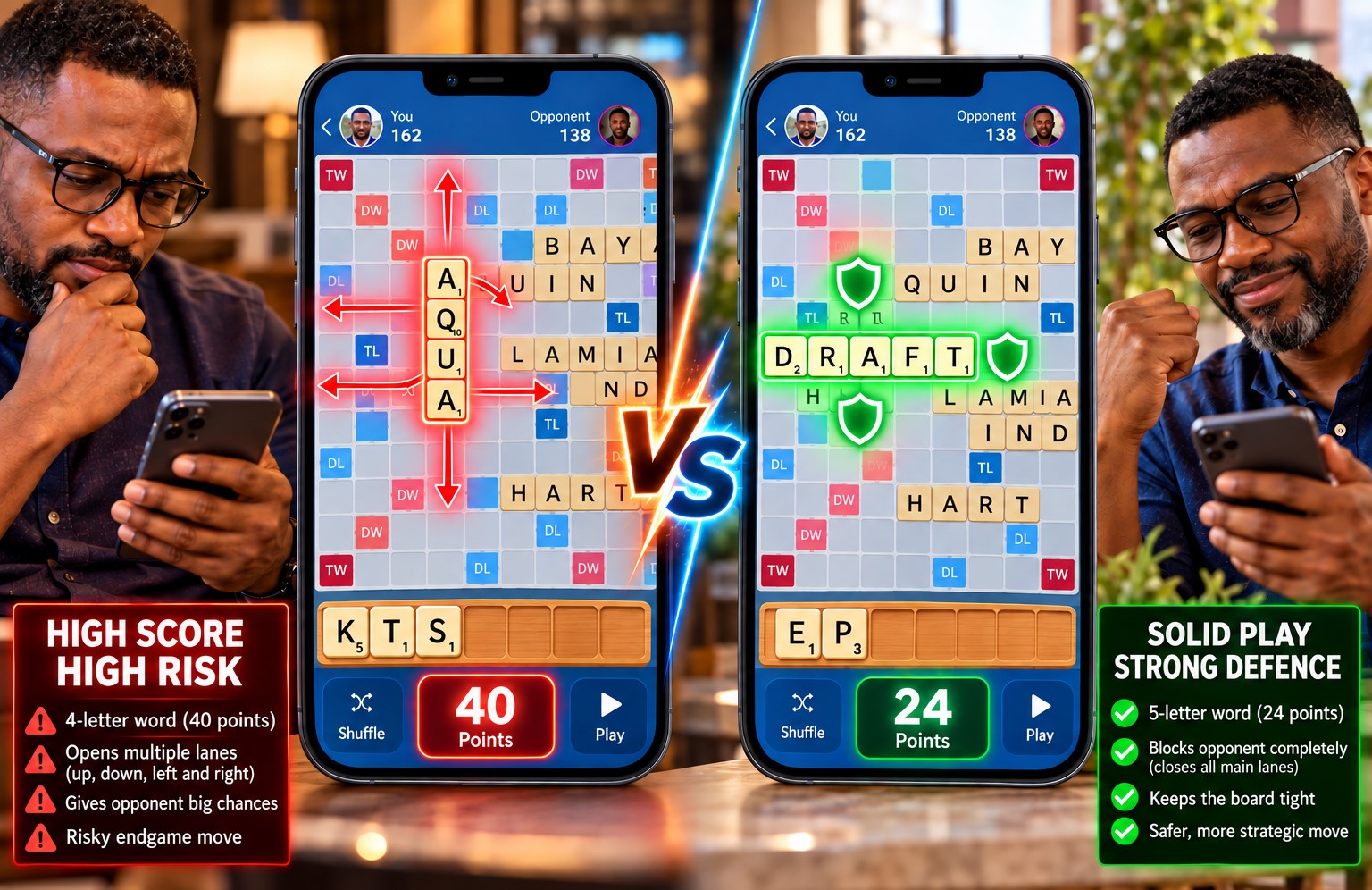
I Had a 40-Point Word. I Played the 24-Point One Instead.
Executive Summary Most word game players are hardwired to chase immediate gratification, instinctively dropping the highest-scoring word their rack allows. However, relying purely on raw point values is a short-sighted strategy that frequently leads to sudden defeats. This article provides a story-driven breakdown of a critical match where sacrificing an immediate 40-point play for a…

The Best Word Isn’t Always the Best Move
Executive Summary The most common mistake in digital word games is equating the highest-scoring word on your rack with the mathematically optimal play. In an online environment where platforms like wordmaster.pro instantly give both players access to every high-scoring word, chasing raw points becomes a trap. True mastery requires a multi-dimensional approach to every turn.…

What If Everyone Could Find the Best Words? What Would Actually Make You a Better Player?
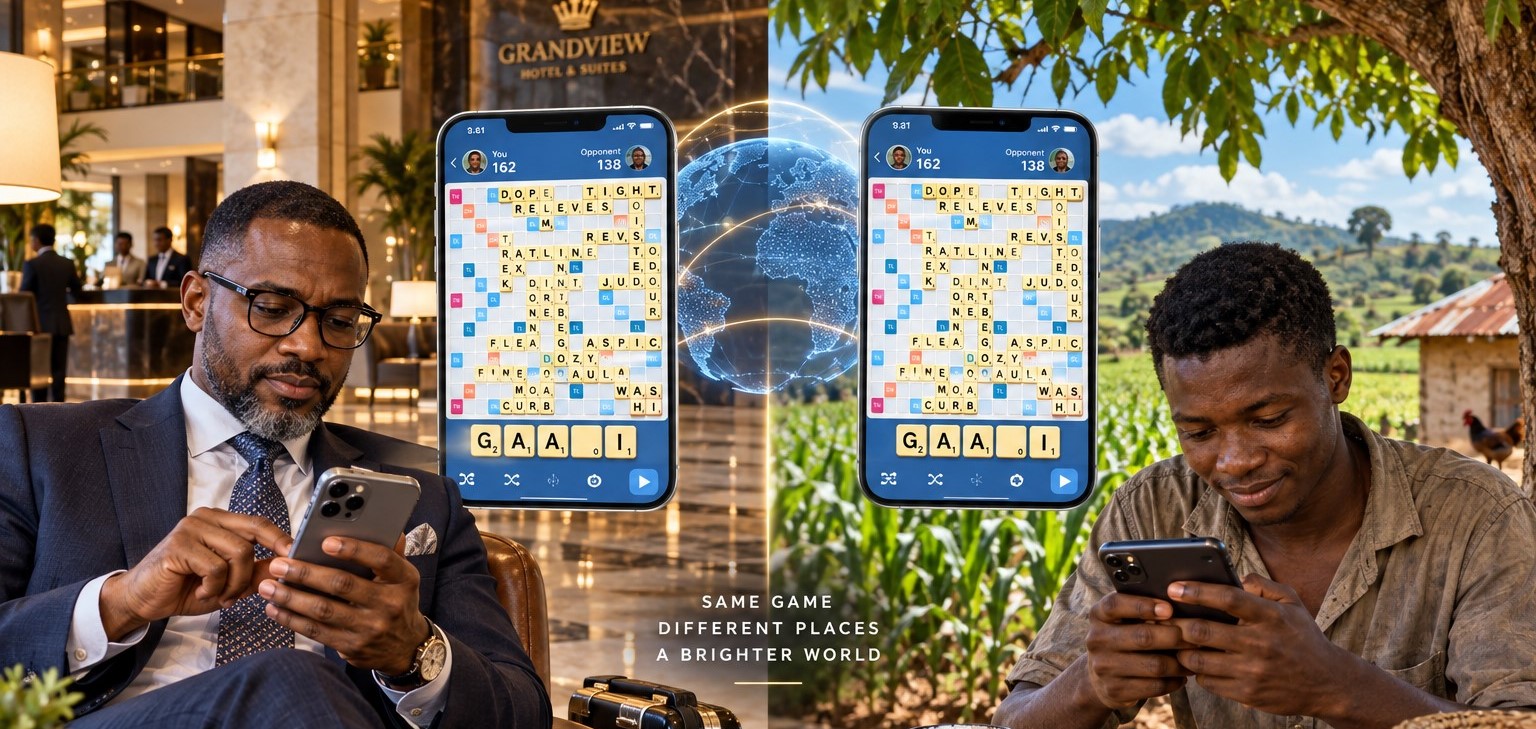
Executive Summary The shift from physical board games to global online apps has changed how we play. Millions of players now compete across the world, and many quietly use external unscramblers like wordmaster.pro on a second screen. While some consider this cheating, it actually reveals a deeper truth: traditional word games place too much value…

What to Do When All Your Tiles Are Consonants
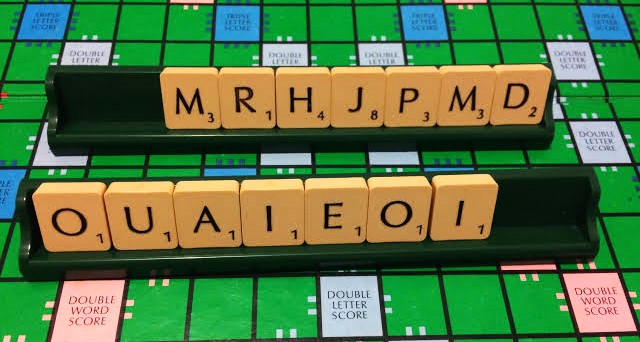
1. Executive Summary — Gravel on the Rack An all-consonant rack is not a vocabulary test.It is a logistics emergency.Vowels are oxygen.Without them, long words suffocate.Amateurs force ugly stems.Masters clear gravel fast.Or they exchange without ego. Wordmaster.pro analyzes the absolute rack-drainage problem of pure consonant leaves in Scrabble and WordFeud in order to provide competitive…

10 Strategies to Make You a Better Scrabble / WordFeud Player
1. Executive Summary — Play Smarter, Not Fancier You do not need a bigger dictionary.You need better habits.Ten small upgrades.One stronger game.Amateurs chase pretty words.Better players chase better turns. Wordmaster.pro maps ten practical Scrabble and WordFeud habits that raise scores without drowning you in jargon—so competitive players (and sharp weekend rivals) can tighten every turn…

Short Parallel Plays vs Bingo Hunting: Which Strategy Wins More Games?
1. Executive Summary — Density Beats Drama Bingos win screenshots.Density wins matches.Short parallels compound every turn.Bingo hunting compounds risk.Amateurs wait for seven.Masters score with four.Then leave a rack that still threatens seven. Wordmaster.pro analyzes the absolute mathematical tradeoff between short parallel density scoring and bingo-hunting leave equity in order to provide competitive players with an…

Scrabble Endgame Arithmetic: Going Out, Blocking Out, and Tile Penalties
1. Executive Summary — Empty Bag, Exact Math The bag is empty.Luck is over.Every unseen tile sits on their rack.Going out is not style — it is arithmetic.Block their out. Cash your penalties.Count before you place. Wordmaster.pro examines North American Scrabble endgame arithmetic — what happens when the bag hits zero, how going out transfers…

The Pre-Endgame: Playing the Last 7–8 Tiles in the Bag
1. Executive Summary — Stop Hunting. Start Closing. The bag is almost empty.Bingo hunting is no longer the default.Every draw is almost the last draw.Count what is left.Block what they can still cash.Set yourself up to go out. Wordmaster.pro examines the pre-endgame — the zone when roughly seven or eight tiles remain in the bag…

Unseen-Tile Tracking: Inferring the Opponent’s Rack Without a Spreadsheet
1. Executive Summary — The Bag Is a Map You cannot see their rack.You can see the board.You can count the bag.That is enough.Track the rare tiles.Read the lanes they open.Guess the rack they must hold. Wordmaster.pro examines how competitive players track unseen tiles — what remains in the bag, what sits on the opponent’s…

Exchange Timing: When Trading Beats a Bad 12-Point Play
1. Executive Summary — Zero Now Can Be Worth More Than Twelve A twelve-point play feels productive.An exchange feels like surrender.That instinct loses games.Some racks cannot be rescued by a weak dump.They must be rebuilt.Trade when the leave is poison. Keep when the leave is alive. Wordmaster.pro examines when exchanging tiles beats forcing a low-scoring…

The K-Tile Knife: Short High-Value Plays That Don’t Need a Bingo
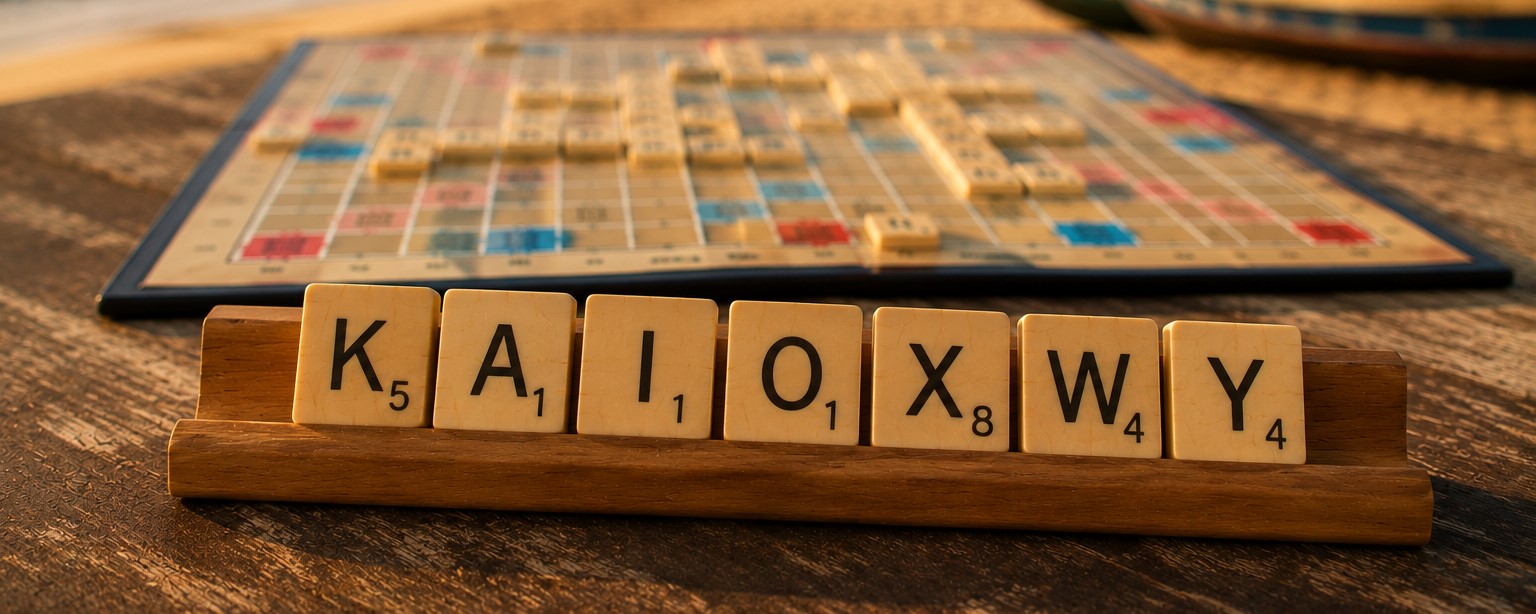
1. Executive Summary — Five Points That Cut Without a Seven-Letter Word K is not a bingo tile.It is a knife.Two letters. One premium. Clean exit.Amateurs hold K waiting for a miracle seven.Masters put it on a Triple Letter and move on. Wordmaster.pro examines how competitive players should treat the K tile — not as…

The W-Tile Dead Zone: Dumping the Four-Point Consonant That Refuses to Parallel
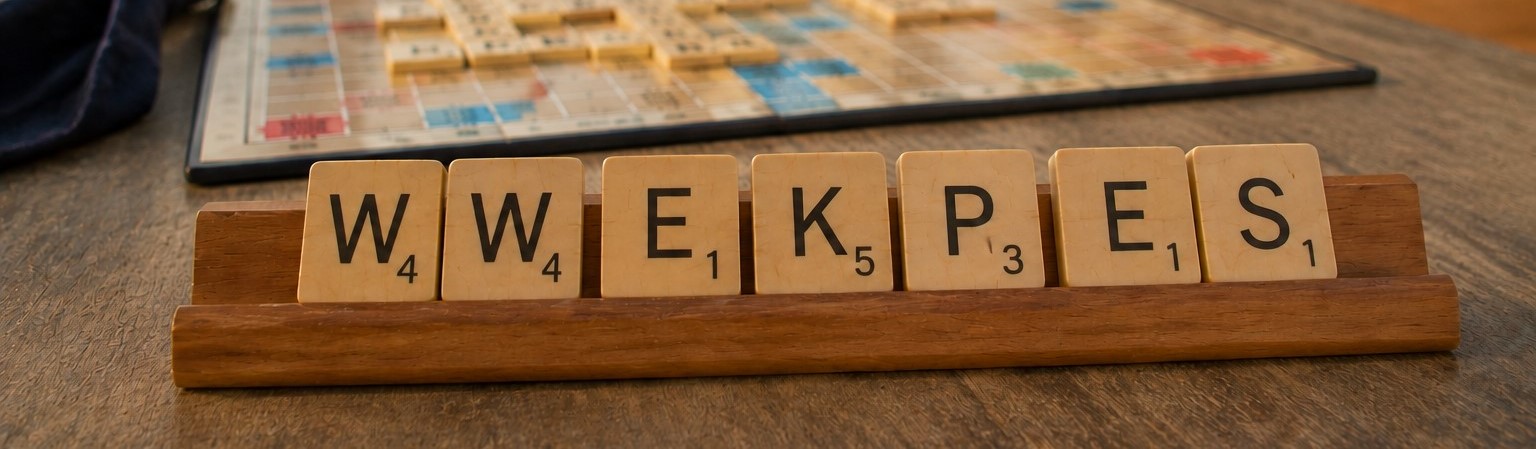
1. Executive Summary — Four Points, Five Exits W looks playable.It is not flexible.Five two-letter partners.Almost none of them are consonants.Hold it into a clogged board and the rack freezes.Dump it while three-letter lanes still exist. Wordmaster.pro examines why the W tile creates a parallel-play dead zone, which short dumps clear it before the board…

The S-Tile Paradox: When to Keep the Hook King and When It Becomes a Liability
1. Executive Summary — One Point, Outsized Power S is only one point.It is not a cheap tile.It is the hook king.It pluralizes. It bingo-fuels. It parallel-plays.Spend it for six extra points and you have been robbed.Keep two of them and the king becomes clutter. Wordmaster.pro examines when the S tile is worth holding for…

The Blank Tile Blueprint: When to Hold, When to Spend, and How to Maximize Zero-Point Equity
1. Executive Summary — The Most Valuable Zero on the Board It scores nothing.It changes everything.A blank is not a free letter.It is borrowed future power.Spend it wisely and the game swings.Spend it cheaply and the rack never forgives you. Wordmaster.pro examines how competitive players should treat Scrabble’s blank tile — when to hold it…

The Digital Tournament Survival Guide: Mental Stacking Across Multi-Game Sets
1. Executive Summary — Survive the Set, Not Just the Game One game rewards talent.A multi-game set rewards recovery.Bad racks will arrive.Performance will dip.Aggressive opponents will poke every open lane.The winner is the player who resets cleanly between rounds. Wordmaster.pro examines how competitive players can manage mental energy across digital multi-game tournaments — handling performance…

The C, Y and V Choke Points: Managing Racks with Rigid Terminal Consonants
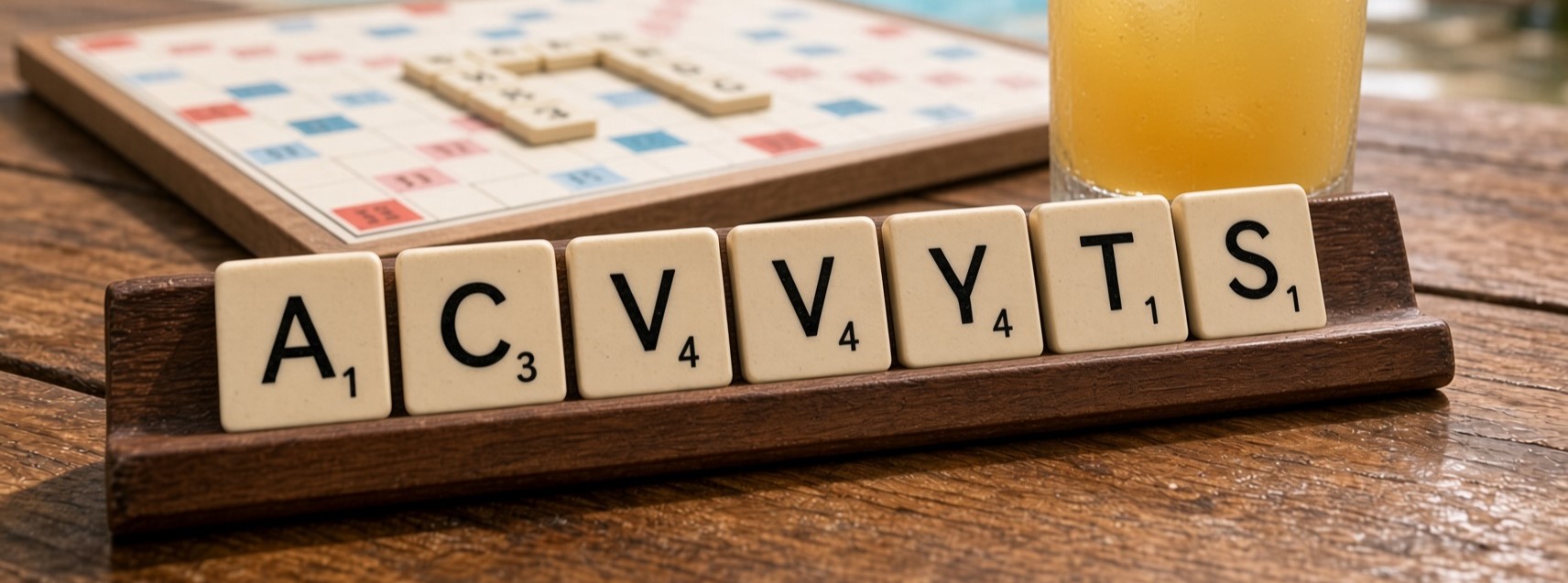
1. Executive Summary — Clear Them Before They Lock the Rack Some tiles bend.Some tiles break the rack.C and V cannot parallel-play at all under NWL.Y can, but only through a short list of exits.Hold them too long and the board closes around you.Dump early. Dump clean. Restore rack freedom. Wordmaster.pro examines why C, V…

Lexicon Shifts: Navigating Differences Between NASPA (NWL) and WESPA (CSW) Lists
1. Executive Summary — Two Dictionaries, One Board You know the board. You know the tiles. You know the bonus squares. But the dictionary changed. And the dictionary decides everything. Don’t get discouraged. Wordmaster.pro maps the structural differences between the North American NWL (NASPA Word List) and the international CSW (Collins Scrabble Words) lexicons so…

Suffix and Prefix Partitioning: Isolating the Ends of Your Rack
1. Executive Summary — Stop Reading the Rack as a Blur Seven tiles can look like noise.Noise burns clock.Structure saves clock.Pull the endings to one side.Pull the beginnings to the other.Let the middle reveal itself. Wordmaster.pro examines how players can reduce rack clutter by physically grouping likely suffixes such as -ING, -ED, -EST, -ERS and…

High-Probability Bingo Stems: SATIN and RETINA
1. Executive Summary — Keep the Letters That Work Together A bingo rarely begins with seven perfect tiles.It begins with five or six useful ones.Keep the flexible core.Shed the awkward extras.Give the next draw more ways to succeed. Wordmaster.pro examines why SATIN and RETINA are such productive bingo stems, how each stem changes the tiles…

The Triple-Triple Holy Grail: How to Engineer a 100+ Point Single Turn
1. Executive Summary — The Nine-Timer Doctrine A single Triple Word Score is a weapon.Two Triple Word Scores in one word are a detonation.Face value × 3 × 3 = ×9.That is the triple-triple.Amateurs wait for miracles.Masters engineer the lane.Seed. Span. Detonate. Convert. Wordmaster.pro maps how dual Triple Word Score bridges stack to ×9, how…

Wordfeud vs. Traditional Scrabble: Differences and Structural Discrepancies in Grid Geometry
1. Executive Summary — The False Twin Problem Wordfeud is not Scrabble on a phone.Same 15×15 footprint. Different premium map.Different tile prices. Different bingo tax.Scrabble muscle memory becomes a liability.Amateurs import corner races.Masters remapped every lane.Scan. Reprice. Deny. Adapt. Wordmaster.pro analyzes the absolute mathematical structural grid discrepancy of dual-platform premium architectures in order to provide…

The 3-Tile Gap Traps: Denying Access to Triple Word Squares
1. Executive Summary — The Spatial Choke A Triple Word Score is not a prize.It is a weapon.Leave the wrong gap and you arm your opponent.Leave a 3-tile gap behind a hard anchor and you choke the lane.Amateurs open tracks for points.Masters engineer deficits.Count. Seal. Deny. Control. Wordmaster.pro analyzes the absolute mathematical spatial extension deficit…