Executive Summary
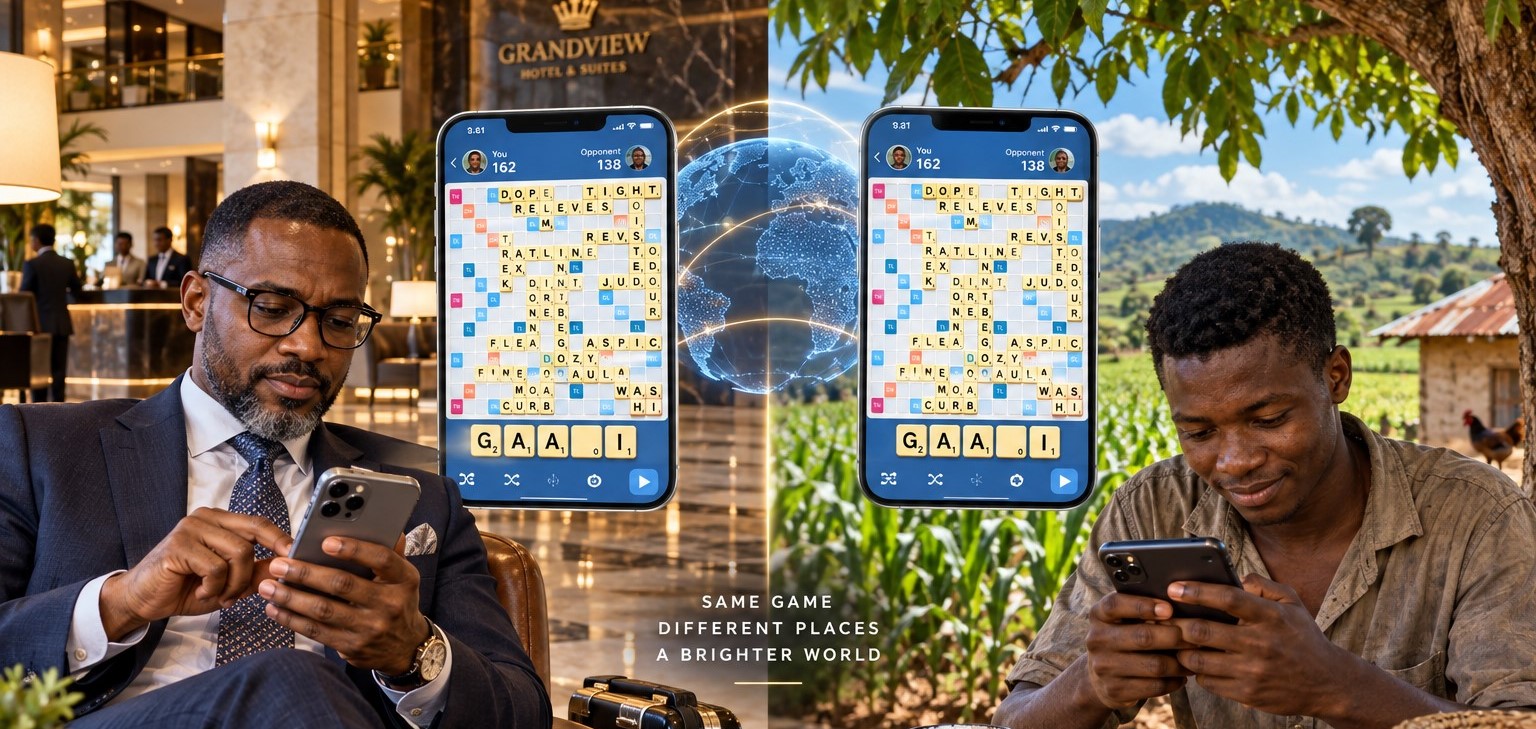
The shift from physical board games to global online apps has changed how we play. Millions of players now compete across the world, and many quietly use external unscramblers like wordmaster.pro on a second screen. While some consider this cheating, it actually reveals a deeper truth: traditional word games place too much value on simple memorization. When raw vocabulary is no longer an unfair advantage, the real game begins. Mastery shifts from who memorized the dictionary to who can out-smart their opponent using pure strategy, board control, and tactical planning.
1. The Global Online Reality: Leveling the Playing Field
Today, word games are played on smartphones by millions of people separated by thousands of miles. Because players are isolated behind screens, the use of external word finders has skyrocketed. Many players view this as cheating, but it is actually a response to a design flaw: the frustration of staring at a rack of letters trying to remember an obscure word. Trying to police this behavior online is impossible. A better approach is to give the tool to everyone. Natively integrating an unscrambler levels the playing field, turning a hidden advantage into an official, shared game mechanic.
2. The Illusion of the Vocabulary Advantage
For years, we assumed that the player with the biggest vocabulary was the better strategic thinker. In reality, memorizing hundreds of bizarre two-letter words or archaic terms is just a test of memory stamina. A massive vocabulary acts as a wall that keeps casual players from ever beating seasoned veterans. When a tool like wordmaster.pro instantly shows both players every valid word available on their rack, that wall crumbles. The game stops being a walking dictionary test and starts testing real tactical skill.
3. Freeing Up Mental Bandwidth for Real Strategy
Human brains can only focus on so many things at once. In a traditional word game, you spend nearly all your time frantically shifting letters around your rack just to find a valid play. By outsourcing that tedious sorting process to an algorithm, you instantly free up your mind. Instead of hunting for words, you can spend 100% of your turn analyzing the board, predicting your opponent’s next move, and planning several steps ahead.
4. Board Geometry and Spatial Awareness
When an unscrambler shows you the highest-scoring words on your rack, finding the word is no longer the challenge. The challenge is deciding where to put it. The board is a map of valuable territory. High-level players look at how a word changes the shape of the grid. You have to balance the immediate satisfaction of a 40-point play against the danger of leaving a Triple Word Score lane wide open for your opponent to exploit on the very next turn.
5. The Hidden Art of Rack Balance
A word finder can tell you the best play for your current turn, but it cannot plan for the future. That is where human skill comes in. The true differentiator between a novice and a master in a tool-assisted game is managing what letters are left behind on the rack. Scoring highly on one turn is a mistake if it leaves you trapped with four vowels and no consonants for the next round. True mastery requires maintaining a mathematically balanced rack for future flexibility.
6. Controlling the Tempo of the Game
Like chess, word games have a specific rhythm and pace. When everyone has access to the best words, players must consciously control this tempo based on the score. If you have a comfortable lead, the correct strategy is defensive: playing tight, compact words that clog up the board and starve your opponent of scoring opportunities. If you are losing, you have to do the opposite—open up the board, take risks, and create the chaos needed for a comeback.
7. Deductive Analytics and the Invisible Rack
Even if both players use a tool to see every possible word, you still don’t know what letters your opponent is holding. This leaves plenty of room for high-level psychology. By counting the remaining tiles in the bag and analyzing where your opponent chooses to place their words, you can begin to deduce what letters they have left. You can use this information to set traps, block their likely paths, and bait them into sub-optimal plays.
8. Raising the Skill Ceiling for a New Era
Purists often worry that word finders make the game too easy, but the exact opposite is true. Tools shift the skill ceiling upward. The game evolves from a basic question—“Can you find a word?”—to a deeply strategic dilemma: “Out of these fifteen possible words, which one gives me the highest statistical chance of winning three turns from now?” This elevates word games into a true mind sport, making them far more engaging for modern players.
Take Home
The widespread use of external unscramblers by millions of digital players proves that the genre needs to evolve. Fighting against these tools is futile; embracing them is revolutionary. When everyone instantly knows the best words available, the game doesn’t become simpler—it becomes a deeper, more thrilling battle of wits.
Leave a Reply